.webp)
2025 forced revenue teams to slow down and take a hard look at what was actually working.
Across Sales, Customer Success, RevOps, and Enablement, the same issues kept showing up: deals stalling, buyers disengaging, teams stretched thin, and systems struggling to keep up with growing complexity. Not because teams weren’t working hard – but because the way revenue was being run no longer matched how buyers make decisions today.
This year’s Sales Almanac by Flowla is built from the most discussed posts shared by over 100 revenue leaders on LinkedIn throughout 2025. These weren’t polished predictions or framework-heavy takes. They were observations from people in the middle of execution, responding to what they were seeing with buyers, customers, and internal teams.
.webp)
When we stepped back and looked at the patterns, a few things became clear:
In this post, we’ve decided to pull together those themes and turn them into a practical view of what changed in 2025 and what revenue teams should pay attention to as they plan for 2026.
For most of the past decade, sales performance was optimized around volume. More outreach, more demos, more pipeline coverage. That model relied on a predictable assumption: if enough activity happened at the top, results would follow.
In 2025, that assumption finally collapsed.
What surfaced repeatedly across the Almanac was not that outbound stopped working – but that low-signal sales activity became actively harmful in an environment where buyers were already overwhelmed.
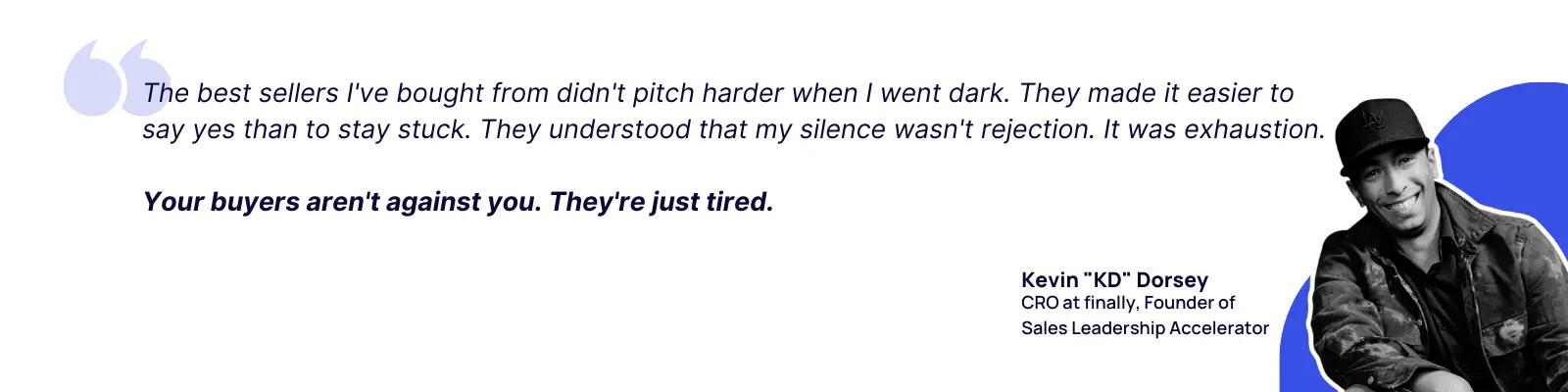
This context matters. Buyers weren’t disengaging because they didn’t care. They were disengaging because sales motions added cognitive load at the exact moment they were trying to reduce it.
One of the most consistent patterns in 2025 was a correction to how “personalization” had been practiced.
AI made it easy to customize emails at scale — names, companies, recent LinkedIn activity. But buyers quickly learned to spot messages that looked tailored while saying nothing meaningful.
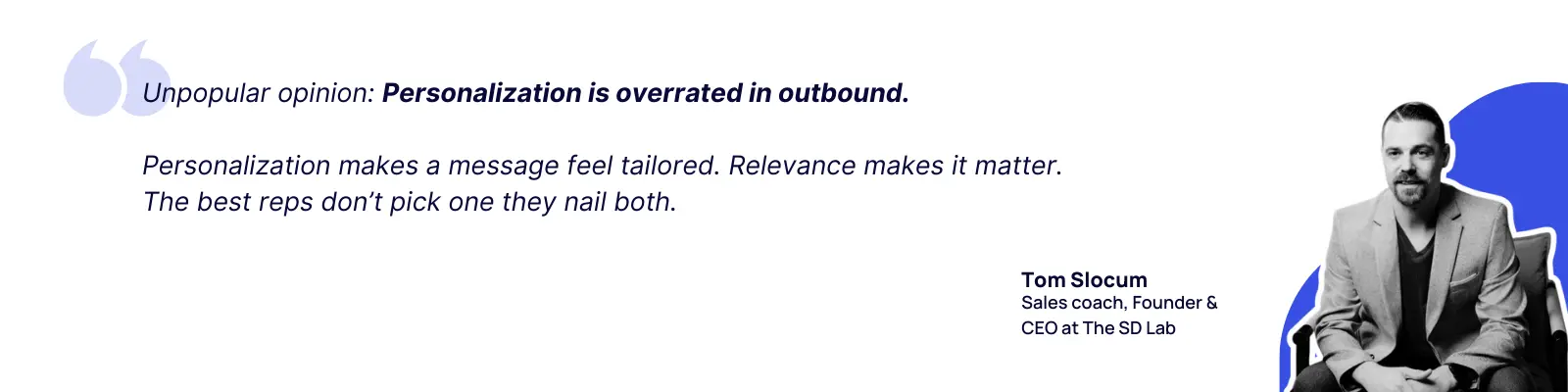
High-performing teams shifted away from cosmetic personalization and toward relevance built on:
This wasn’t about writing better emails. It was about deciding who not to message at all.
AI amplified this divide. Teams that used automation to increase volume saw diminishing returns. Teams that used it to improve segmentation and timing saw fewer conversations – and better ones.

Another major shift was how discovery was used.
For years, discovery was treated as a hurdle before the demo. In 2025, top sellers treated it as a decision checkpoint: Should this deal even exist?
What changed wasn’t the importance of discovery – it was the standard.
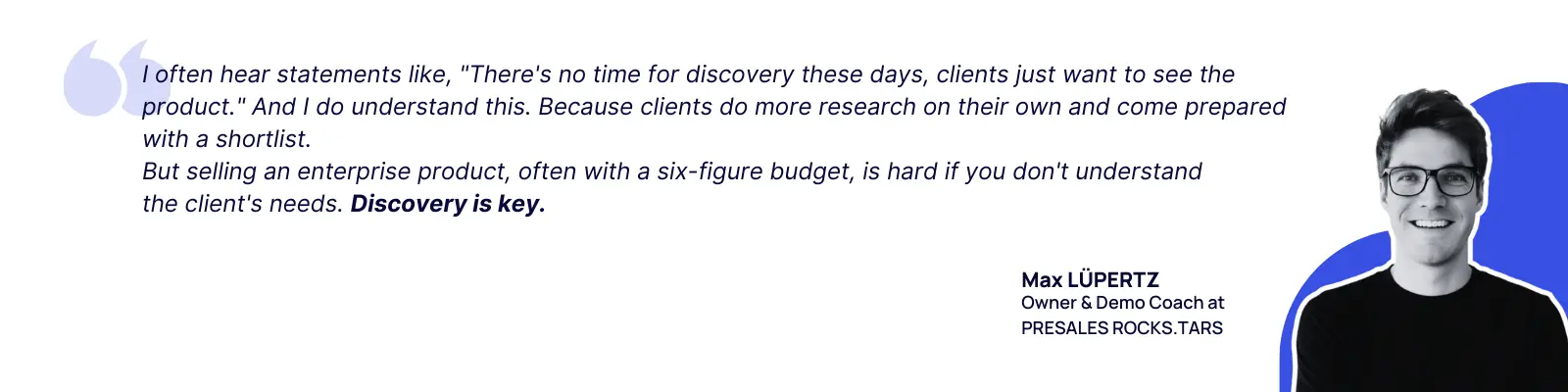
Buyers showed up asking for demos without clarity on:
Sales teams that succeeded didn’t rush past this confusion. They slowed it down. They helped buyers frame the problem, map stakeholders, and understand trade-offs. In many cases, that meant disqualifying opportunities earlier, by design.
The result:
Even at the end of the deal, pressure stopped working.
The most effective closing behaviors in 2025 weren’t clever tactics or manufactured urgency. They were clear, low-friction moments of alignment.
Instead of “What do you think?”, sellers framed decisions explicitly:
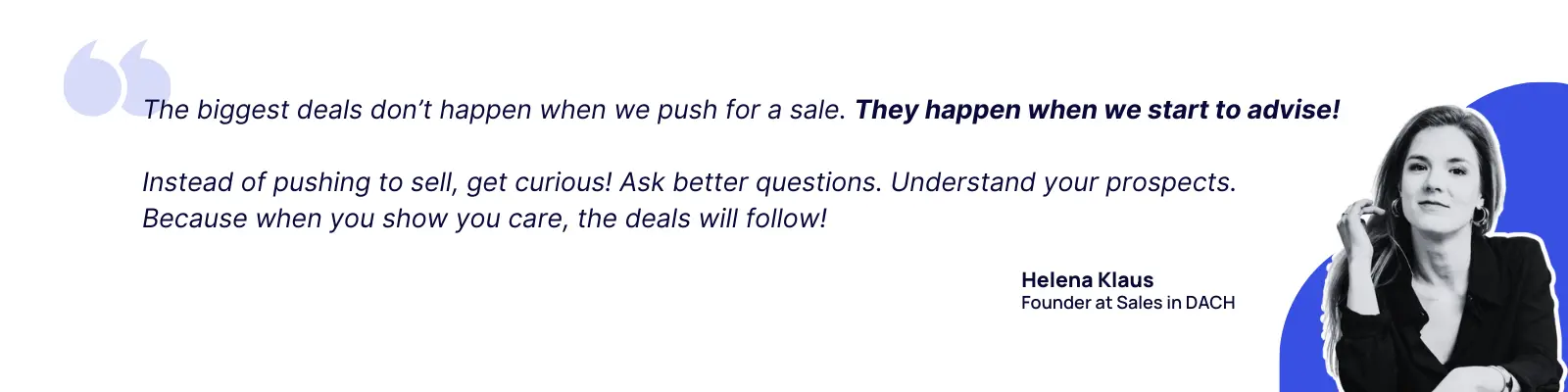
This approach respected buyer bandwidth – and seller time.
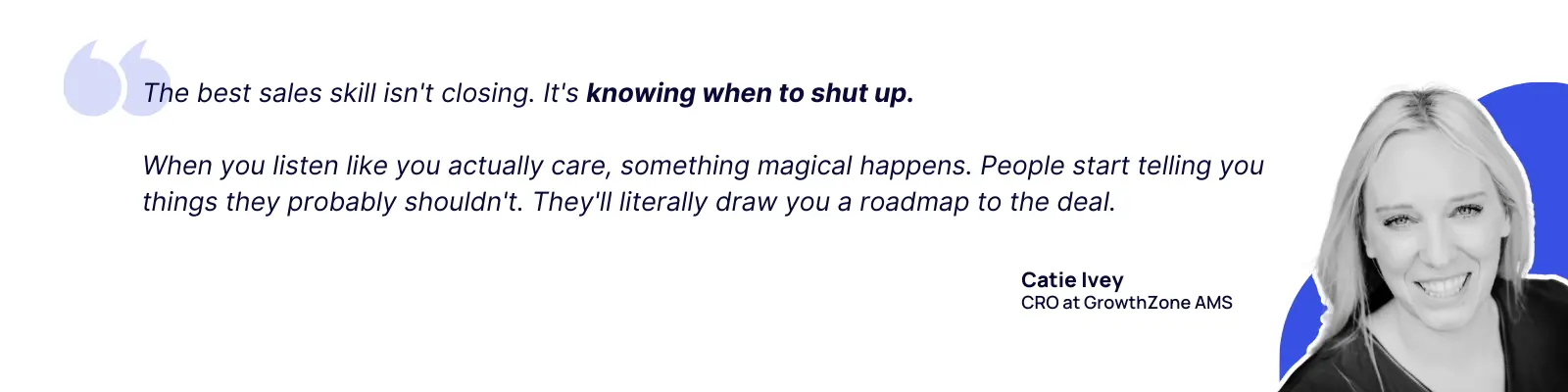
The sales teams that outperformed in 2025 didn’t sell harder. They sold cleaner.
They:
The takeaway was clear: When buyers are exhausted, deal quality beats deal volume. And clarity closes faster than pressure ever did.
For years, Enablement and RevOps tried to solve execution problems with more content, more training, and more tools. In 2025, it became clear why that approach kept falling short.
The issue wasn’t effort or intent. It was fragmentation.
Teams weren’t struggling because they lacked playbooks — they were struggling because nothing connected. Training lived in one place, workflows in another, data somewhere else, and accountability nowhere at all.
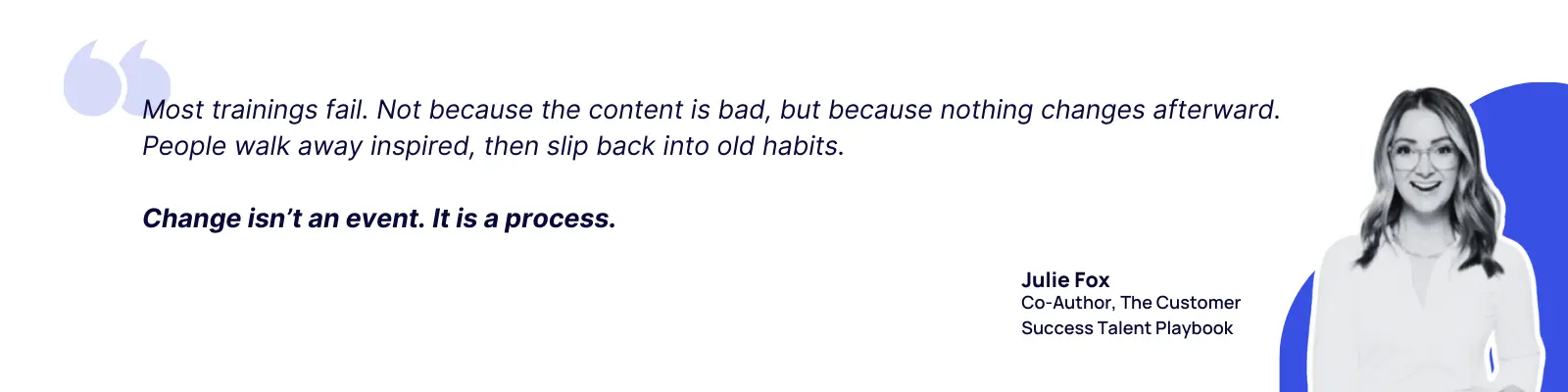
Enablement programs failed not because the material was bad, but because nothing changed after the session ended. Reps left inspired, then returned to the same tools, the same workflows, and the same friction.
One of the strongest themes in 2025 was a reframing of what “enablement” is actually for.
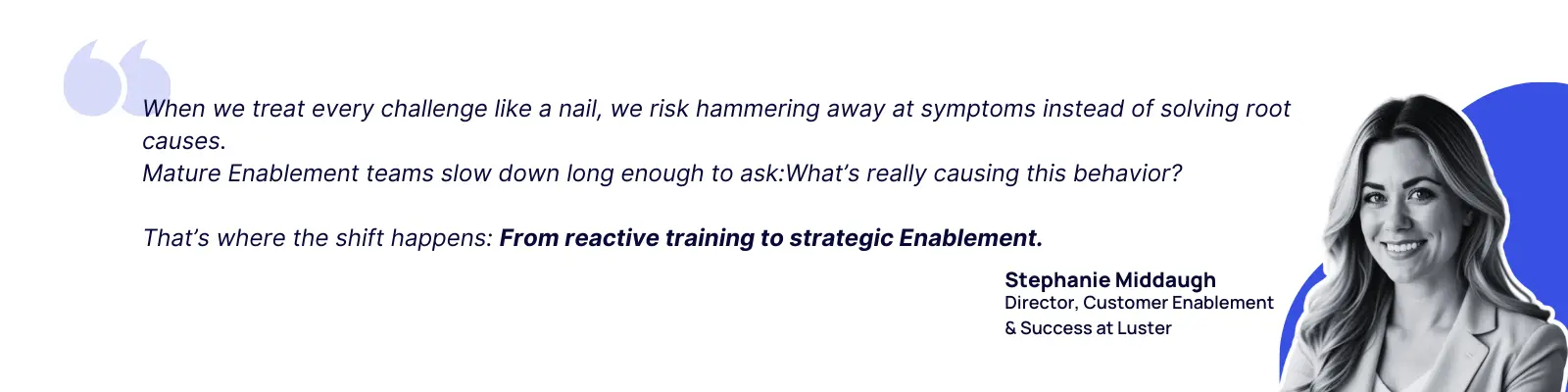
Low win rates, poor adoption, missed targets — too often these were labeled as skill gaps. In reality, they were usually caused by:
Mature enablement teams slowed down and diagnosed before prescribing. Training became one tool — not the default response.
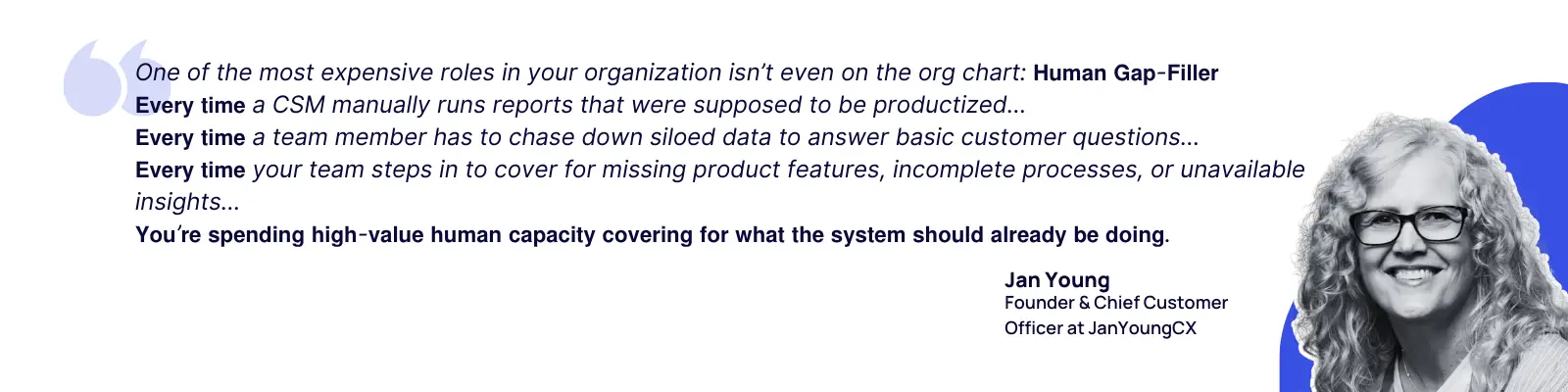
As GTM stacks grew, another problem surfaced: Teams were relying on humans to compensate for what systems should have handled.
This “human gap-filler” model was expensive, slow, and impossible to scale — especially as AI entered the picture. Automation didn’t eliminate the problem; it exposed it.
The teams that made progress didn’t rush to buy new tools. They clarified:
Only then did technology actually help.
RevOps also went through a quiet identity shift in 2025.
Instead of being judged on dashboards and hygiene, the strongest RevOps leaders focused on system design:
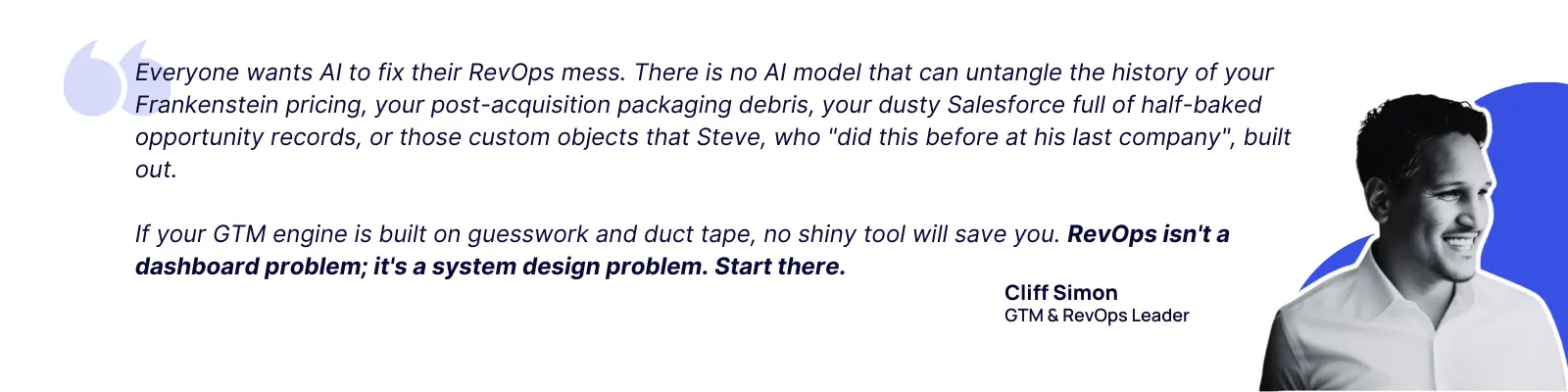
AI worked when the foundation was solid. When it wasn’t, it simply made the cracks more visible – faster.
By the end of 2025, a clear pattern emerged:
The teams that pulled ahead treated Enablement and RevOps as operating system builders, not support functions. They stopped asking “What should we train?” and started asking “What should happen next — every time?”
In 2025, Customer Success crossed a line it can’t uncross.
For years, CS sat in an uncomfortable middle ground — expected to “delight customers,” absorb friction from Sales and Product, and quietly protect renewals without real authority or investment. This year, that model finally broke.
What emerged across the Almanac was not a debate about whether CS should be strategic — but what happens when it isn’t.
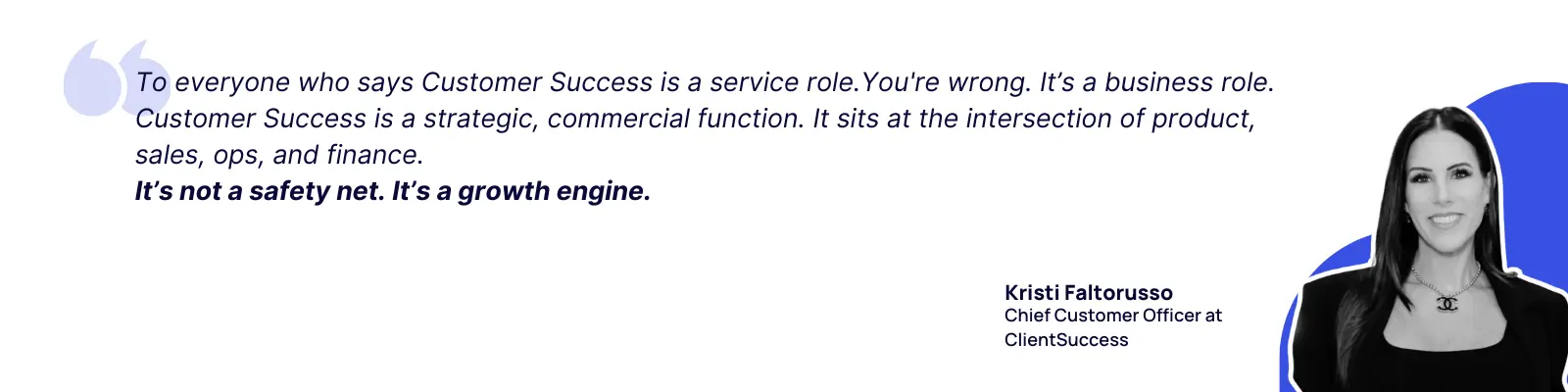
One of the clearest shifts in 2025 was the retirement of vague success language.
CS teams stopped talking about happiness, adoption, and activity in isolation — and started anchoring their work to measurable outcomes:
This shift wasn’t philosophical. It was forced by economic pressure. As budgets tightened, CS teams were pulled directly into commercial conversations — often with CFOs and finance leaders — and asked to defend value in concrete terms.
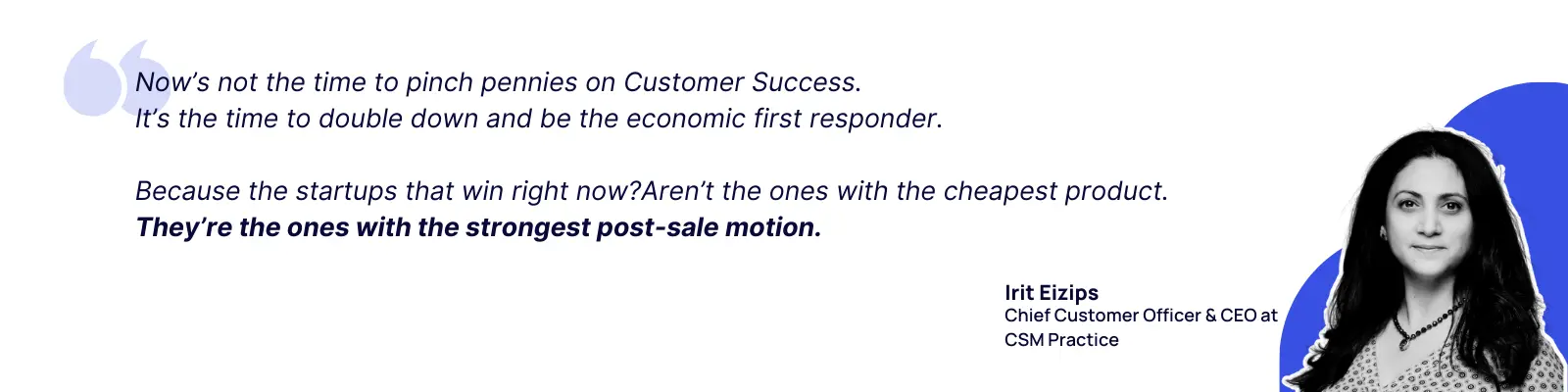
Macro pressure accelerated the transformation.
When customers froze spend, faced supply chain shocks, or cut headcount, CS was no longer there to “check in.” It was there to:
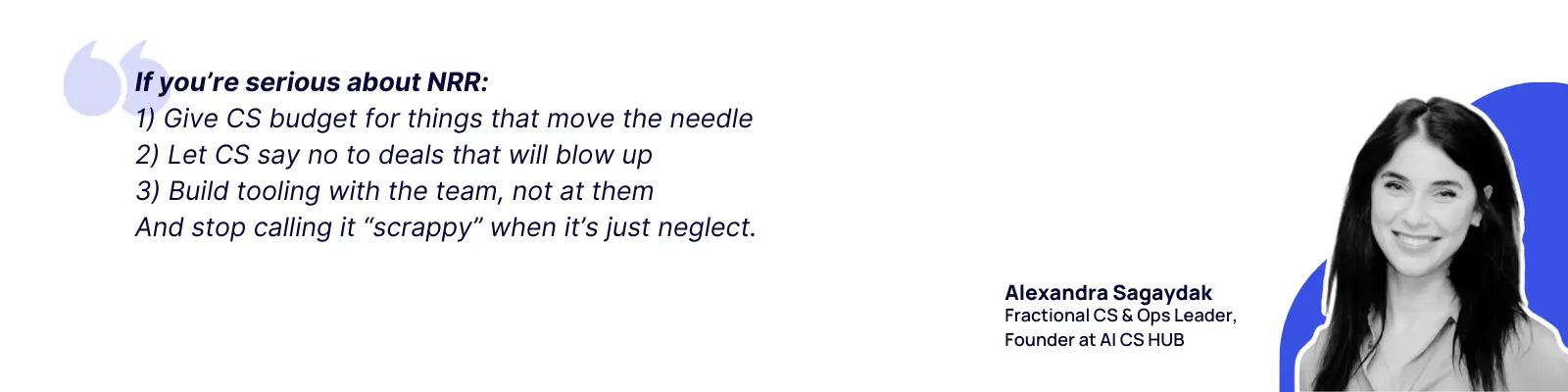
The strongest CS teams leaned into this reality. They didn’t retreat from revenue conversations — they owned them.
At the same time, 2025 made something impossible to ignore: the traditional CSM role was unsustainable.
For years, CS absorbed:
The result was predictable: burnout, blurred impact, and teams too stretched to do the work that actually drives outcomes.
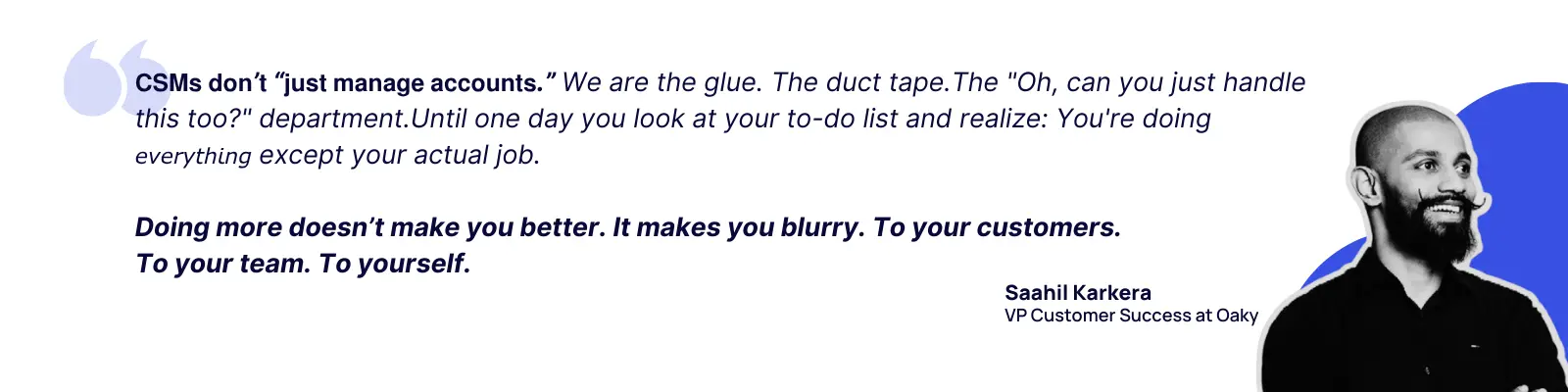
This wasn’t a performance issue. It was a design issue.
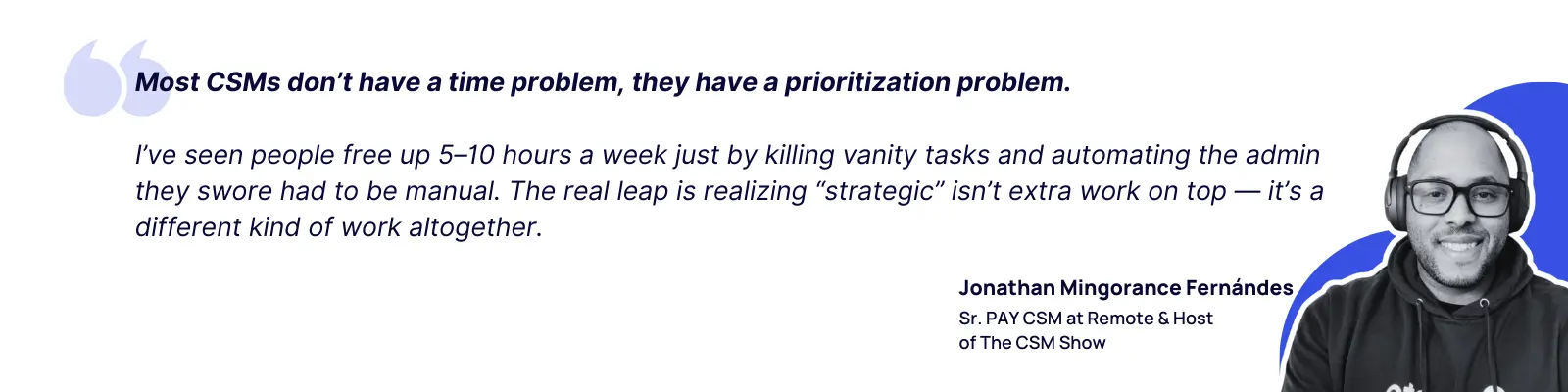
The most effective CS organizations didn’t respond by asking CSMs to “be more strategic.” They redesigned the system around them.
This showed up in three ways:
CS stopped being reactive by accident — and became proactive by design.
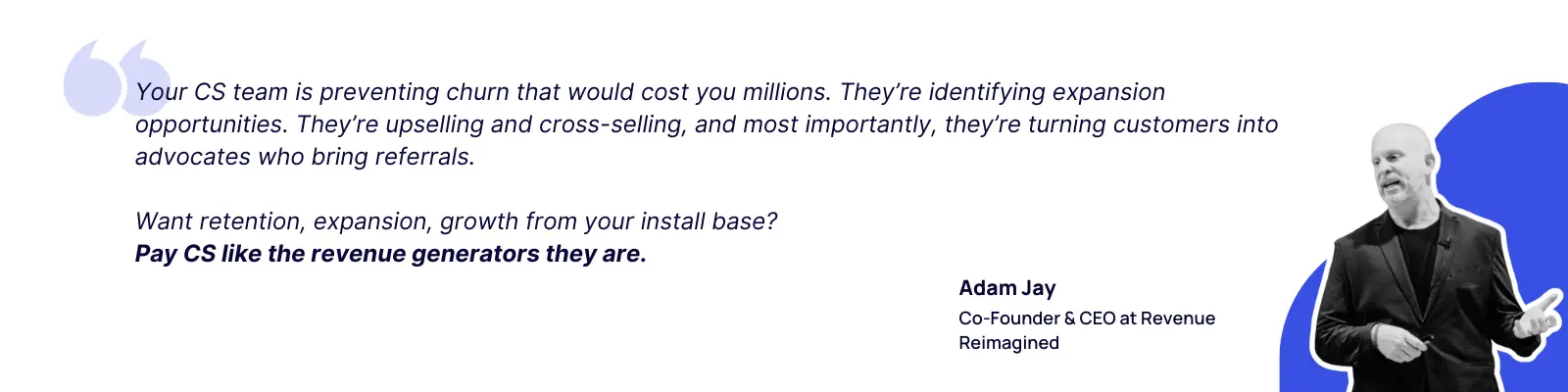
By the end of 2025, another tension surfaced clearly: CS was driving a majority of revenue impact — but not being treated like a revenue function.
The implication was uncomfortable but unavoidable: You can’t call CS strategic while starving it of budget, tooling, influence, or fair incentives.
The companies that moved first didn’t just assign CS more responsibility — they aligned compensation, metrics, and executive visibility to match its impact.
By the end of the year, Customer Success was no longer defined by sentiment.
It was defined by:
CS didn’t become sales. It became accountable for value — and the business had to catch up.
In 2025, leadership behavior became a visible growth constraint.
Across the Almanac, one pattern stood out: Teams didn’t fail because of weak execution — they failed because leaders relied on pressure instead of systems.
Revenue leaders who made progress focused less on end-of-month heroics and more on predictable rhythms:
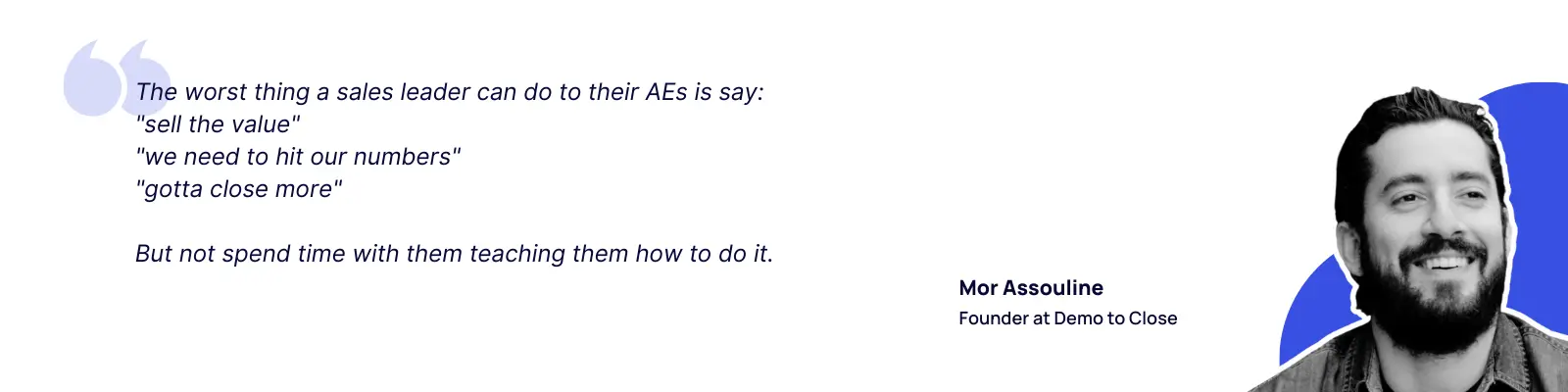
Another consistent theme was role modeling. Leaders who demanded behaviors they didn’t practice themselves — prospecting, discovery, learning new tools — eroded trust quickly.
Metrics also came under scrutiny. Dashboards multiplied, but decisions didn’t.
The leaders who stood out used metrics diagnostically — to understand what to change — not as a performance script.
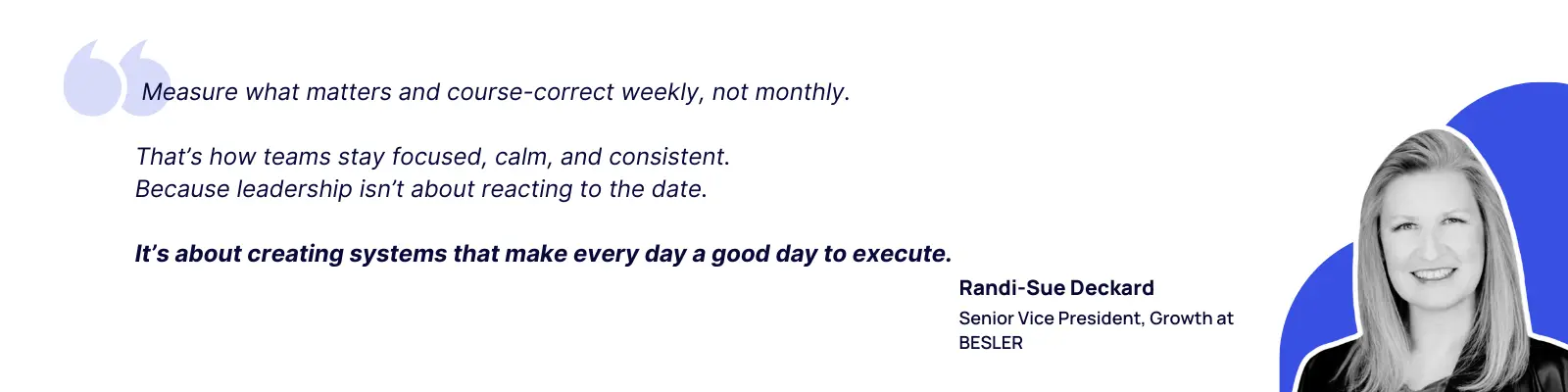
The takeaway from 2025 was simple: Calm beats chaos. Systems beat slogans.
And leadership showed up in what teams were allowed to ignore — and what they were forced to fix.
If 2025 was the year revenue teams confronted what was broken, 2026 will be the year they’re judged on what they fix.
The patterns from the Sales Almanac point to a clear direction. Not a single trend in isolation — but a shift in how revenue actually operates.
In 2026, growth won’t come from adding more:
It will come from better systems.
Sales teams will win by filtering earlier and guiding buyers with clarity instead of pressure. Customer Success teams will lead growth by owning outcomes — supported by real operations, automation, and authority. Enablement and RevOps will move upstream, designing the workflows that shape behavior instead of reacting to missed targets. AI will stop being a side project and become invisible infrastructure — accelerating decisions, not replacing judgment.
Most importantly, leadership will be measured less by urgency and more by discipline. The companies that pull ahead won’t be the loudest or the fastest to experiment. They’ll be the ones that simplify, connect, and compound what already works.
The takeaway from the Almanac is not that revenue is getting harder. It’s getting more precise.
And the teams that design for clarity, feedback loops, and focus will be the ones shaping what comes next.
Book a 15-minute chat with a product expert. We'll walk you through every step of the way as you get set up.
.webp)
.webp)
.webp)


.webp)

.webp)
.webp)
.webp)




.webp)
%20(3).webp)
.webp)
.webp)
.webp)

.webp)
.webp)
.webp)
.svg)

.webp)
.webp)